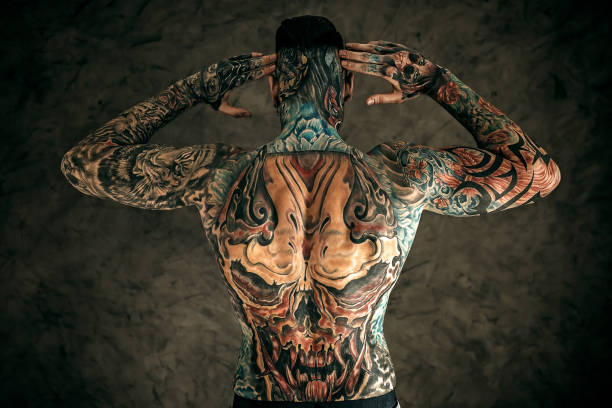
The world of tattoos has evolved significantly over the years, with advancements in artistry and techniques. Among the most stunning and intricate forms of tattoos are 3D Photo-Real Tattoos in West Fargo ND. These tattoos are known for their lifelike appearance, often making it look as though the image is popping out of the skin. But how exactly do tattoo artists create these realistic designs? In this article, we will explore the process behind 3D photo-real tattoos, the techniques used by tattoo artists, and how a tattoo and piercing shop can turn your ideas into a breathtaking piece of art.
Before delving into how these tattoos are created, it’s important to understand what 3D photo-real tattoos are. This style involves creating tattoos that replicate the appearance of a photograph or a realistic image on the skin. The use of shading, highlights, and expert linework allows the tattoo to appear three-dimensional, making it seem as though the image is either rising from or sinking into the skin. This technique requires not just skill, but a deep understanding of light, shadow, and depth.
One of the most critical elements in creating a 3D photo-real tattoo is the shading technique. Artists must carefully apply varying shades of ink to mimic how light interacts with the subject matter. This step is essential because light and shadows create depth. A tattoo artist must study the light sources within the reference image and replicate that on the skin. The more precise the shading, the more realistic the tattoo will appear.
Contrast is another crucial component in creating lifelike tattoos. Tattoo artists use contrasting tones, such as dark blacks and light whites, to bring the tattoo to life. The careful placement of these contrasting elements allows the tattoo to have a natural, almost photographic quality. By creating sharp contrasts and smooth transitions, the tattoo artist can give the design a sense of realism that makes it look like it could pop right off the skin.
Tattoo artists use different types of needles for different purposes when creating 3D photo-real tattoos. Liner needles are used to create crisp lines and outlines, while shader needles are used to fill in larger areas with smooth gradations of color and shading. The choice of needle size and the technique used are crucial for achieving the desired texture and depth in the 3D Photo-Real Tattoos Shop. For realistic skin tones, a layering technique is often used, where the tattoo is built up in layers to achieve a three-dimensional look.
The hallmark of any 3D photo-real tattoo is the incredible level of detail it includes. Tattoo artists must pay close attention to the smallest of details in the design to ensure that the tattoo looks lifelike. Whether it’s the fine lines in a portrait or the tiny features on an animal’s face, every detail matters. Achieving high-quality, detailed results often requires a significant amount of time and patience, and artists need to have an in-depth understanding of the subject they’re tattooing.
Choosing the right reference image is essential for creating a 3D photo-real tattoo. A high-quality, high-resolution photograph will provide the artist with the details necessary to create a realistic design. The reference image should capture the subject with good lighting, clear features, and sharp contrasts. Tattoo artists often work with their clients to select the perfect image, as this can make a significant difference in the final outcome of the tattoo.
Creating a custom tattoo design is an integral part of the process when planning a 3D photo-real tattoo. Unlike traditional tattoos, where pre-made designs might be used, realistic tattoos require more customization. Artists begin by discussing the client's ideas and preferences, and from there, they craft a design that will suit the client’s body and desired effect. For some, this means adjusting the angle of the subject or tweaking colors to better match their skin tone.
A tattoo shop plays an important role in ensuring the success of a 3D tattoo. The environment should be clean, sterile, and comfortable, as the tattoo process can take several hours or even more than one session. Tattoo shops that specialize in 3D photo-real tattoos in West Fargo ND will have experienced artists who are skilled at creating realistic designs. When selecting a tattoo shop, it’s essential to consider the shop's reputation, the artist's portfolio, and the level of customer care provided.
Creating realistic 3D Photo-Real Tattoos in West Fargo ND is an intricate and complex process that requires a combination of technical skill, artistry, and attention to detail. By using shading, contrast, and a variety of tattoo techniques, skilled artists can transform a simple idea into a breathtaking, lifelike design. Whether you’re interested in a custom portrait, a detailed nature scene, or another photo-realistic subject, the right tattoo shop and artist can bring your vision to life. If you’re considering a 3D photo-real tattoo, it’s essential to choose an experienced artist who understands the complexities of this unique style, ensuring that your tattoo not only looks incredible but stands the test of time.